Grampa Claus: A Seasonal Graphic for Crafters & Creators
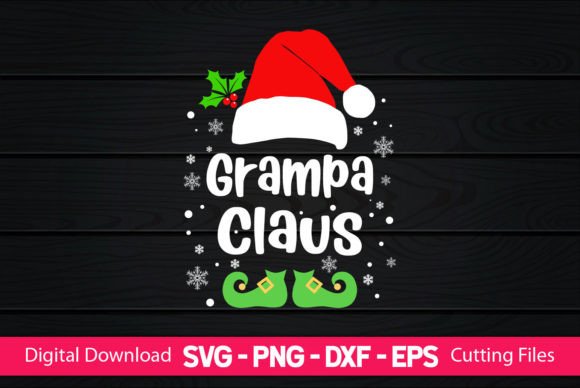
As a designer who builds blogs and publishes digital content, my first test for any graphic asset is mood. Opening the Grampa Claus digital file, the immediate impression is one of playful, seasonal warmth. It's not a corporate logo; it's a decorative, character-driven illustration that instantly communicates a niche: holiday-themed, craft-focused, and community-oriented content. The style leans towards a hand-drawn, friendly aesthetic, which sets a specific editorial tone.
The Editorial Mood: Crafting Content with Character
This graphic asset feels distinctly lifestyle and creative. It supports content that aims to be approachable, festive, and visually engaging. When placed on a website or blog, it signals to readers that they're entering a space dedicated to hobbies, seasonal projects, or family-friendly activities. This is crucial for building reader trust. A polished, cohesive visual theme makes a site feel curated and reliable, rather than haphazard. Grampa Claus, as a central visual element, can anchor that theme for holiday-related articles, tutorials, or product round-ups.
Real Publishing Applications: Beyond the Cutting Machine
While the product description highlights its use for Cricut and silhouette cutting machines, the true value for publishers lies in its versatility as a web-ready graphic design asset. Here’s how I would deploy it in a real content workflow.
- Blog Featured Images & Article Headers: This design can become the hero image for posts about "Grandparent-Themed Holiday Crafts," "DIY Christmas Decor," or "Family Recipe Guides." Its strong character creates an immediate visual hierarchy, drawing the eye before the headline.
- Pinterest Graphics & Social Media Visuals: For Pinterest pins promoting a holiday crafting tutorial or a downloadable printable, Grampa Claus provides a click-worthy, niche-specific focal point. It boosts click-through potential by being recognizably craft-oriented in a crowded feed.
- Newsletter Graphics & Digital Guide Covers: A newsletter announcing a holiday content series or a lead magnet like a "Christmas Crafting eBook" benefits from a branded cover graphic. Using this asset creates consistency across your content marketing channels.
- Downloadable Resources & Content Upgrades: Within a blog post, you could offer a Grampa Claus-themed worksheet, planner, or printable art as a content upgrade. This turns a simple article into a more valuable engagement tool.
- Website Branding & Category Visuals: On a crafts or lifestyle blog, this graphic could serve as a seasonal banner or a thumbnail icon for a "Holiday Projects" category page, improving category recognition and visual identity.
Supporting Content Performance with Professional Polish
Using a dedicated graphic like Grampa Claus moves blog graphics from generic stock imagery to intentional editorial design. This shift directly supports performance. A stronger first impression encourages longer page visits. Clearer visual hierarchy helps readers navigate your content. More consistent branding across your site, social media graphics, and digital products builds subconscious trust. For affiliate marketers promoting craft supplies or holiday kits, pairing those links with this unique visual makes the affiliate content feel integrated and authentic, not just an ad.
Where This Design Asset Works Best
Its decorative nature makes it ideal for specific, high-impact placements.
- Hero Images and Large-Scale Banners: Where its details can be appreciated.
- Article Thumbnails and Pinterest Pins: Where it needs to stand out in a grid.
- Blog Graphics within Tutorials: As a decorative accent beside step-by-step instructions.
- Content Upgrades and Lead Magnets: As the cover for downloadable printables or digital guides.
- Newsletter Headers for Seasonal Campaigns: To set the tone for an email series.
- Social Media Previews for Holiday Content: To ensure your post looks professional in a feed.
Publisher Notes: Practical Considerations for Web Use
Even the best creative design needs practical handling. Before committing Grampa Claus to a live publishing project, I run these checks.
- Test Scalability: Preview it as a tiny mobile thumbnail. Does the core character remain recognizable? Some detailed decorative assets lose meaning at small sizes.
- Check Contrast & Readability: Overlay it with your typical headline text—try serif, sans-serif, and even a playful script font. Ensure the background areas provide enough contrast for readable typography.
- Simulate a Real Layout: Place it inside a dummy blog post alongside text blocks. Does it complement the layout without creating a visually "busy" experience?
- Review File Format & Size: For web use, you'll likely export a PNG or JPG from the original SVG. Compress this final image properly for web performance to avoid slowing your page load.
- Confirm Licensing Scope: Most crucial: verify the commercial license terms. As a digital publisher using it on monetized websites, affiliate pages, or within paid digital products like Canva templates for your audience, you must have clear commercial usage rights.
Strategic Placement: When to Use with Care
Understanding a design’s limits is as important as knowing its strengths. The playful, illustrative style of Grampa Claus means it should be applied thoughtfully.
It may not suit text-heavy blog images where the graphic would compete with dense information. On low-contrast backgrounds, its details might fade. It would feel out of place in serious professional niches like financial advice or corporate tech blogs that require a very minimal, austere visual system. The key is alignment: use it where the mood matches the message.
For the small business owner running a crafting blog, the creative entrepreneur selling holiday digital products, or the online educator teaching DIY skills, this asset is a tool. It’s not just a digital download for a cutting machine; it's a building block for a visual brand during the holiday season. When integrated thoughtfully—with attention to layout, contrast, and licensing—it elevates ordinary content into polished, clickable, and trusted editorial experiences.