A Designer's Take on Hand Drawn Boba Illustration
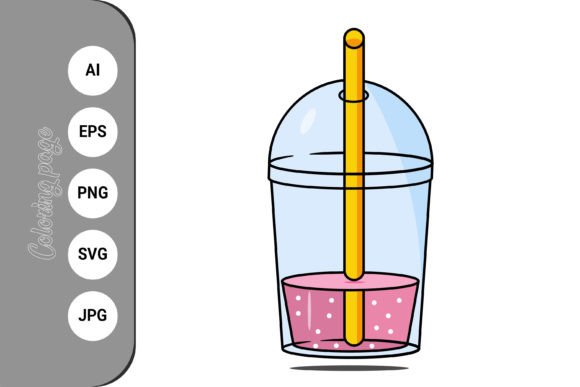
When I'm evaluating a design for real embroidery work, whether for a client's custom sweatshirt or my own shop's tote bags, I'm looking beyond the digital file. I’m imagining it stitched. The Hand Drawn Style Boba Illustration immediately struck me as a design with a specific, charming personality. It doesn’t feel corporate or generic; it feels like a doodle from a favorite notebook, which is a powerful starting point for handmade products.
The Mood is Casual, Friendly, and Nostalgic
This boba illustration carries a relaxed, playful mood. The hand-drawn line art suggests a lightheartedness that’s perfect for casual apparel and gifts. It doesn’t scream for attention; it invites a smile. This is the kind of visual that feels personal, not mass-produced. For a craft business, that’s gold. It translates the handmade ethos of your shop directly into the design itself.
In a practical scenario, imagine applying this to a canvas tote bag for a local coffee shop’s merchandise. The organic lines of the illustration would complement the rustic texture of the bag. Stitched in a simple running stitch or a satin stitch for the cup outline, it would feel cohesive and intentional, not like a stark graphic slapped onto fabric. It creates a sense of niche authenticity that customers for boutique products genuinely appreciate.
Where This Design Excels in Embroidery Projects
This boba design naturally belongs to a certain family of projects. Its illustrative quality makes it a strong candidate for:
- Casual Apparel: Think sweatshirts, t-shirts, and aprons. It’s a conversation starter, not a formal logo.
- Personalized Gifts: Embroidered on a kitchen towel or pillow cover for a friend who loves boba tea, it becomes a thoughtful, customized present.
- Baby & Nursery Items: The friendly, cartoon-like style works wonderfully on a baby blanket or a small patch on a child’s hat.
- Small Business Merchandise: For an Etsy seller focusing on drink-themed crafts or a small cafe, this could be the centerpiece for a simple embroidered patch or cap.
- Printable Mockups & Digital Assets: As a graphic, its clean lines are excellent for creating professional-looking previews for your embroidery listings.
The key here is the theme. It’s niche but popular. For commercial embroidery targeting a specific interest group, this is a ready-made asset that communicates shared taste instantly.
Practical Considerations for Stitching Success
Now, the designer’s critical eye. Hand-drawn style means varied line weights and organic details. In embroidery, this requires careful planning.
First, stitch density is crucial. The description notes it’s a vector line art, which suggests scalability, but the detail level in the original drawing will determine how it translates to thread. Areas with tight detail or very thin lines in the illustration might become dense, stiff patches of stitching or might need to be simplified. Always, always test on scrap fabric first. Use the same fabric and stabilizer you intend for the final product.
Hoop size matters. This isn’t a minimalist logo; it’s an illustration. I would avoid very small hoop sizes, as cramping this design could lose the relaxed charm and make small details muddy. A medium hoop allows the design to breathe.
Fabric choice directly impacts the final feel. On a textured fabric like a sweatshirt, the design will look soft and integrated. On a smooth, thin cotton t-shirt, it will appear sharper. Consider thread color contrast carefully. On dark fabric, you’ll need to ensure your thread palette is bright enough to maintain the illustration’s clarity. A black-and-white mockup test is a great way to judge contrast before you stitch.
Where to Exercise Caution
While adaptable, some applications demand extra attention.
- Stretchy or Thin Fabrics: On stretchy fabric like certain tees, or thin fabric without proper stabilizer, the fill areas could cause puckering.
- Small Items with Curved Surfaces: Embroidering this onto a cap’s curved panel requires careful digitization to prevent distortion of the hand-drawn shapes.
- Products for Frequent Washing: If the design is very dense, it might withstand washing less gracefully on items like kitchen towels. A simpler stitch approach might be more durable.
- Tiny Lettering or Minute Details: If the illustration includes extremely fine details, these might not stitch cleanly and could affect the professional look of the finished product.
The goal is to preserve that hand-drawn personality in thread, not to fight against it with unsuitable materials or settings.
Adding Value for Your Customers and Your Brand
Using a design like this effectively boosts your product’s visual appeal because it feels current and specific. For a customer, an embroidered boba illustration on a tote bag isn’ just a bag; it’s a statement of a hobby or preference. That increases its perceived value and giftability.
For your craft business or Etsy shop, consistently using designs with this cohesive, friendly style builds brand consistency. Customers begin to recognize your work’s mood. It enhances trust because the products feel intentionally designed, not randomly assembled.
It’s also a reminder to confirm licensing. The product is categorized under graphics and coloring pages. Before selling finished embroidered items or using it in commercial embroidery projects for clients, verify the license terms. This protects your business and respects the creator.
Final Designer Notes Before You Hoop It
My final judgment is positive, with a call for practical preparation. The Hand Drawn Style Boba Illustration is a strong, theme-specific asset for makers. Its greatest strength is its mood, which translates perfectly to the handmade market. To ensure it shines:
- Test stitch density and detail translation on your specific fabric.
- Choose a hoop size that respects the illustration’s scale.
- Select thread colors that pop against your background fabric, especially on dark materials.
- Use appropriate stabilizer to maintain that casual, clean look.
- Imagine it stitched. Does it fit the product’s purpose—a playful gift, casual apparel, boutique merch? If yes, it’s a winner.
This design isn’t for every project, but for the right project—a personalized gift, a niche boutique product, a fun addition to casual wear—it brings a human, friendly touch that machine embroidery sometimes lacks. That’s a practical advantage worth stitching.