A Spooky Sissy Design Evaluation for Embroidery Projects
When you download a digital file like 'Spooky Sissy,' the immediate question isn't just about compatibility—it's about translation. How will this design, conceived for a cutting machine screen, actually live as stitches on fabric? This is the crucial bridge between a graphic asset and a real, tactile embroidery project.
The First Impression: Whimsical, Not Terrifying
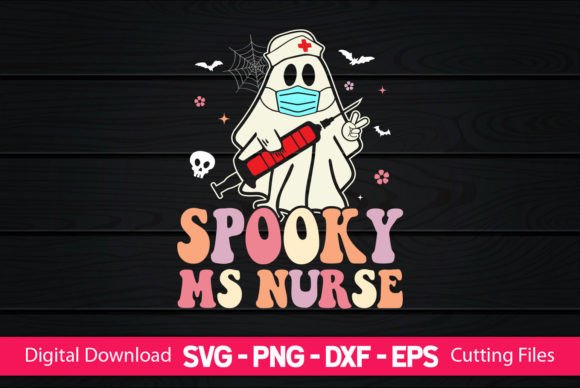
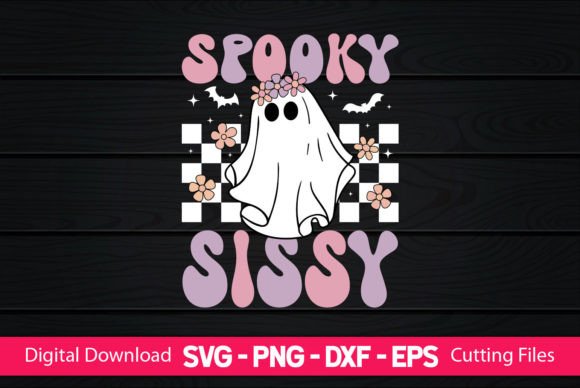
The name 'Spooky Sissy' suggests a gentle, almost friendly take on Halloween. This isn't a horror motif. The design’s personality leans toward whimsy and charm, which is a significant advantage for projects targeting a broader audience. It creates a mood of playful celebration, not fear. For embroidery, this translates into a design that feels welcoming on everyday items, from a child's sweatshirt to a kitchen towel, without being seasonally limiting. Its visual character is likely built on soft shapes and perhaps a smiling, cartoon-like figure, making it inherently suitable for personalized gifts and boutique merchandise where a harsh aesthetic wouldn’t resonate.
Natural Project Fit: Where Spooky Sissy Belongs
In my experience, a design with this mood naturally gravitates toward a few key applications. Imagine preparing a custom embroidered tote bag for a fall craft fair. A whimsical spooky design adds value without being overly niche. It could become a standout piece on a baby’s blanket or nursery decor, where parents appreciate cute, not creepy, themes. As a patch on a denim jacket or a centered motif on an apron, it offers a handmade presentation that feels intentional and crafted.
For small business owners, especially Etsy sellers focusing on holiday gifts or personalized products, this type of file is a solid design asset. It can anchor a product line—think embroidered pillow covers, tea towels, or even caps—creating brand consistency through a recognizable, friendly character. The 'spooky but sweet' angle has excellent giftability, appealing to buyers looking for something unique that still fits within a festive tradition.
Visual Appeal and Stitching Clarity in Practice
The real test comes in the embroidery machine. When translating from an SVG or PNG to stitches, the level of detail is paramount. Designs intended for cutting often have clean lines, which is good. However, for machine embroidery, small details, like tiny lettering within the design or extremely intricate corners, can become problematic. High stitch density in small areas can lead to puckering, especially on thinner fabrics like standard t-shirts. The shape and layout need to be evaluated for stitch clarity—will the satin stitches or fill stitches define the form clearly, or will elements blur together?
On dark fabric backgrounds, thread color contrast is everything. A design like this likely uses lighter, playful colors. Testing on both light and dark scrap fabric first is non-negotiable. It ensures the visual appeal remains high on a black sweatshirt just as it would on a white one. This directly impacts customer trust; a poorly translating design on a finished product looks unprofessional and can damage a maker’s reputation.
Considerations for Real-Life Embroidery Situations
Not every project is a perfect fit. Here’s where a practical review matters.
- Small Hoop Sizes: If the design is large or expansive, it might not be suitable for smaller hoop sizes common for caps or baby clothes. You need to confirm the design’s scale and your machine’s capabilities.
- Textured or Stretchy Fabrics: Applying it to a textured sweater or a stretchy performance fabric requires careful stabilizer choice. A whimsical design with solid fill areas might need extra support to prevent distortion.
- Layered Garments & Curved Surfaces: Embroidering on a cap’s curved panel or a bag’s layered seam area demands a design that isn’t too dense. A lighter stitch count adaptation would be ideal.
- Products for Frequent Washing: For items like kitchen towels or everyday apparel, the embroidery file should result in secure stitches that withstand wear. Testing durability on scrap fabric is a key step.
Embroidery Designer Notes: The Pre-Project Checklist
Before committing Spooky Sissy to a client project or your next craft fair inventory, run through this mental list.
- Test on Scrap: Always stitch a sample on the exact type of fabric you plan to use. This reveals issues with stitch density, thread tension, and overall clarity.
- Check Color Contrast: View the design in black and white mockups to understand its form without color. Then, select thread colors that pop against your intended background.
- Inspect Small Details: Zoom in on the digital file. Are there minuscule elements that might vanish or become lumpy stitches? Sometimes simplifying a detail manually is needed for embroidery.
- Confirm Licensing for Commercial Use: The product description mentions it's a digital file for cutting machines. Before selling any finished items—embroidered tote bags, sweatshirts, or patches—you must absolutely confirm the licensing terms. Does it allow commercial use of the embroidered end product? Never assume.
- Evaluate for Both Personal & Commercial Projects: Think about its versatility. Does it work as a one-off personalized gift, and does it also hold up as a repeatable design for your small shop merchandise? A good design asset serves both.
The Final Stitch: Value Beyond the File
Ultimately, an embroidery design like Spooky Sissy is more than a download. Its value is realized in the finished product’s reception. Will it engage a buyer at a craft fair? Will it make a recipient smile when unwrapping a holiday gift? From the point of view of an embroidery professional, the design’s success hinges on this practical translation. It must stitch cleanly, apply appropriately, and resonate visually. When those boxes are checked, it becomes a reliable component in a crafter’s toolkit or a small business’s product lineup, adding that layer of handmade charm that digital files alone cannot provide.
Approach it with a confident, observant eye. Test it thoroughly. And then, let those stitches tell the friendly, spooky story it was meant to share.