A Designer's Honest Look at the Spooky Granddad Embroidery File
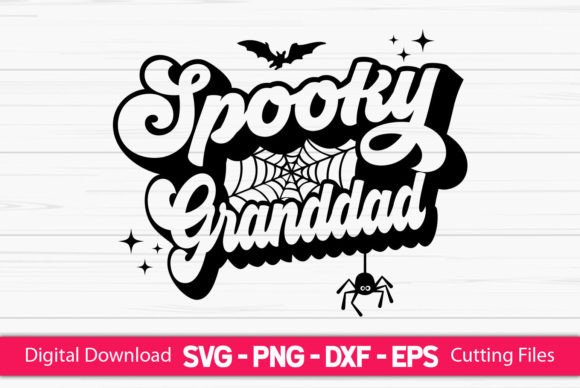
When a design file like Spooky Granddad lands in my project folder, my first reaction isn't about the file format. It's about the story. This design, with its playful, spectral granddad figure, immediately telegraphs a specific mood: humorous, nostalgic, and perfectly quirky for the Halloween season. The visual personality is less about outright fear and more about friendly, family-friendly spookiness. That’s a crucial distinction for embroidery. The shapes and layout suggest a design that would translate well into stitchwork, with likely clear outlines and areas that could be filled or left open for artistic interpretation.
Where This Design Finds Its True Home
In my practice, I’m always picturing the finished product on a real item. For Spooky Granddad, my mind went straight to a custom embroidered tote bag or a cozy, heavyweight sweatshirt. These substrates offer a stable, textured canvas that would let the design's character shine. The theme also sings on a kitchen apron for a Halloween baking session or a whimsical pillow cover for a seasonal living room refresh. For small business owners and Etsy sellers, this design feels like a strong candidate for limited-run holiday merchandise—something that stands out at a craft fair on a hat or as a ready-to-ship embroidered patch.
Its appeal for personalized gifts is obvious. Imagine this stitched onto a baby’s blanket or a toddler’s sweater as a unique, gentle Halloween keepsake from a grandparent. The “granddad” element adds a layer of sentimental value that goes beyond generic holiday graphics. For apparel decorators, it could elevate a simple t-shirt into a conversation-starting boutique product. The key is matching the design’s personality to a product that allows its charm to be the focal point.
Practical Performance on the Needle and in the Shop
Moving from concept to hoop, the real test begins. On stable fabrics like canvas totes or quilted pillow covers, Spooky Granddad should perform admirably. The presumed clarity of the SVG vectors is promising for clean satin stitch borders or precise running stitch outlines. However, embroidery designers should be cautious with more challenging applications.
On stretchy fabrics like standard t-shirts, careful stabilizer choice will be paramount to prevent distortion of those likely finer details. Embroidering on dark fabric backgrounds will require a thoughtful thread color selection plan to maintain contrast and visibility—test on scrap fabric first. The design might present challenges on curved surfaces like caps; small details could get lost or require significant stitch density adjustment to look clean on the curve.
For anyone creating products that need frequent washing, like baby items or kitchen towels, consider simplifying very dense stitch areas if they exist to improve durability. Always inspect the design file for tiny lettering or intricate decorative accents that might not survive the translation to thread at a smaller scale.
The Impact on Your Craft and Your Customer
Using a well-executed design file like this affects more than just the stitch. It elevates the perceived value of the finished product. A clean, cheerful Spooky Granddad embroidery on a sweatshirt feels professional and deliberate, building customer trust in your handmade presentation. It enhances giftability because it looks bespoke, not generic. For creative entrepreneurs, it can contribute to brand consistency if your shop’s vibe leans toward whimsical, seasonal offerings.
In commercial embroidery projects or for digital product sellers creating printable mockups, the design’s recognizability and strong theme aid in buyer engagement. It’s a design asset that tells its own story, which helps in marketing. The craft is in the graphics category, but its real power is as an embroidery project catalyst.
Essential Designer Notes Before You Stitch
Before you load the file and start stitching for client projects or your small shop product line, a few steps are non-negotiable. First, I strongly advise testing the Spooky Granddad embroidery file on your intended scrap fabric. This reveals everything: how the stitch density feels, whether the hoop size you’ve chosen is appropriate, and how the small details translate.
Check thread color contrast by viewing the design in black and white mockups and comparing it on both light and dark fabric backgrounds in your software. This preview is invaluable. Confirm that your stabilizer strategy matches the fabric texture—a woven towel needs a different approach than a stretchy sweatshirt.
Most critically, as this is a digital embroidery file, you must confirm the licensing terms provided with the product before selling any finished items or using it in commercial embroidery. The product description mentions it's for cutting machines, so clarify its suitability for machine embroidery adaptation and any commercial use permissions. Never assume.
Used thoughtfully, Spooky Granddad has the potential to become a standout element in your holiday project lineup, adding a touch of friendly, spooky personality to everything from a custom apparel order to a heartfelt personalized gift. Its success hinges on treating it not just as a graphic, but as a blueprint for a thoughtful, well-executed handmade product.