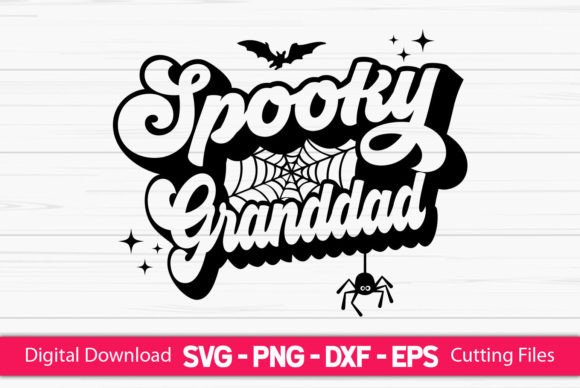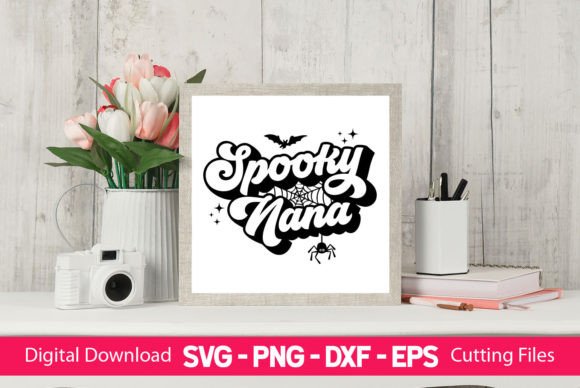
Spooky Nana: A Designer's Practical Take for Embroidery
When a design called "Spooky Nana" lands in my digital library, my first thought isn't just about the file format; it's about the story it tells on fabric. This design, with its playful, slightly mischievous name, immediately conjures a mood. It’s not a generic Halloween graphic. It feels like a character—a cheeky, grandmotherly ghost or a whimsically spooky figure. That personality is its greatest asset for embroidery. It suggests a project that’s more about charming humor than outright fright, opening doors to a wider audience who might appreciate a lighter touch for seasonal décor or gifts.
The Right Project for This Particular Personality
In my hands, this becomes a question of application. Where does "Spooky Nana" belong? I picture it instantly on a cozy, washed-cotton sweatshirt for a fall festival, or as a standout feature on a canvas tote bag for a book lover with a taste for the quirky. Its thematic nature makes it a natural fit for holiday gifts, but its character-driven style could also elevate everyday boutique products—think a tea towel in a farmhouse-style kitchen or a pillow cover in a eclectic living room. For a small shop owner, this design offers a narrative. An Etsy listing for an embroidered baby bib featuring "Spooky Nana" isn’t just selling embroidery; it’s selling a cute, slightly ghoulish guardian for a little one, a story that engages buyers beyond the stitch count.
Considering the Stitched Reality
Moving from concept to hoop, the practical considerations begin. The name suggests a design likely with defined shapes—a character with outlines and perhaps some interior details. For machine embroidery, the key will be how those details translate into stitches. A good embroidery file should handle the conversion from those provided SVG or PNG vectors into clean satin stitches for borders and sensible fill stitches for larger areas. I'm thinking about stitch density. A design with too many dense, layered fills on a lightweight t-shirt could lead to stiffness or puckering. Conversely, on a sturdy tote bag or a cap, it could hold up beautifully. This is where testing on scrap fabric first is non-negotiable. I’d run a test on a similar fabric to what I intend for the final product—a piece of denim for a bag, or a cotton-poly blend for an apron—to see how the design settles.
Where Spooky Nana Might Need Extra Attention
Some applications require a designer’s careful eye. If the design has intricate details, like tiny facial features or fine lettering if "Nana" is spelled out, a very small hoop size on a textured fabric like a knitted beanie could lose clarity. Embroidery on dark fabrics demands thoughtful thread color contrast; a pale, ghostly figure might need a bright outline or a shift in color palette to pop. For products destined for frequent washing, like kitchen towels or baby items, I’d pay close attention to the stability of small elements—tight satin stitches on small curves can be vulnerable. A proper stabilizer choice becomes critical here, especially for stretchy fabrics like sweatshirt fleece or for curved surfaces like caps.
Adding Value to Your Finished Product
From a commercial perspective, how does this design affect the final product’s appeal and value? A well-embroidered "Spooky Nana" on a high-quality item adds a layer of handmade charm and professionalism that buyers recognize. It moves an item from generic to custom. For an apparel decorator or a creative entrepreneur, using a distinctive design like this helps build brand consistency if you curate a collection with a similar playful, spooky vibe. Its giftability is high—it feels personal and themed. However, this value is fully realized only when the embroidery execution is clean. Stitch clarity is paramount. Muddy fills or broken outlines would undermine the design’s personality and customer trust. It’s worth investing time in perfecting the stitch settings, thread colors, and fabric pairing.
A Few Embroidery Designer Notes Before You Hoop
Before committing this to a client’s project or your shop merchandise, here’s my typical checklist. First, always verify the specifics of the digital file you received. The product mention indicates SVG, PNG, DXF, EPS formats, typically for cutting machines, which means for embroidery, you or your software will be converting it into an embroidery file format. Confirm the compatibility with your machine’s system and the conversion quality. Crucially, review the licensing terms. Can you use this for commercial embroidery projects, selling the finished physical products? Don’t assume; check. It’s the bedrock of a professional craft business.
Then, proceed with hands-on tests. Hoop your scrap fabric and run the design. Inspect the small details. Does the character’s expression hold up in stitches? Compare how it looks on light and dark background mockups—sometimes a design needs a color inversion for dark fabrics. Choose thread colors that enhance the spooky-but-friendly mood; maybe a silver gray instead of stark white, or a deep purple accent. Consider the product’s end use. For a decorative pillow cover, higher density might be fine. For a child’s lightweight hoodie, a lighter stitch approach might be better. Finally, think about presentation. Even for digital product sellers using this in printable mockups, a clean, well-rendered embroidered preview speaks volumes about the quality of your design assets.
The Final Impression: More Than Just a Graphic
In the end, "Spooky Nana" strikes me as a design with potential beyond its Crafts and Graphics category label. Its success in real embroidery work hinges on treating it not as a mere graphic but as a character waiting for its fabric stage. Pair it with the right product—a fall apron, a personalized trick-or-treat bag, a boutique throw pillow—and stitch it with care for detail and fabric compatibility, and it can become a standout piece that delights makers and customers alike. It reminds us that in embroidery, the file is just the beginning; the real magic is in the thoughtful application and the quality of the stitches that bring it to life.