A Designer's Take on the Spooky Oma Embroidery File
When you’re scrolling through digital design files for your next project, a title like Spooky Oma immediately stands out. It’s not generic. It suggests a character, a story, and a specific, playful mood. From a professional embroidery perspective, that’s a fantastic starting point. A design with personality gives your finished product an instant narrative, whether it’s a gift, a shop item, or a custom client piece.
The First Impression: Whimsy With a Hint of Nostalgia
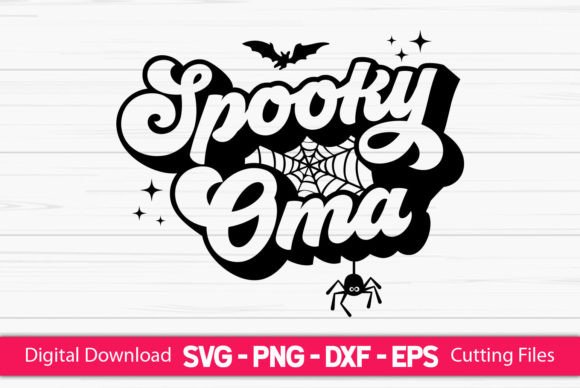
The name conjures an image—a friendly, perhaps slightly mischievous grandmotherly figure with a spooky twist. For embroidery, this means the design’s visual personality is its biggest asset. The shape and theme likely lean into a charming, hand-drawn style that feels more storybook than scary. This makes it exceptionally versatile for projects aiming for warmth and humor. Think personalized gifts, boutique nursery decor, or unique apparel for someone who appreciates a softer take on Halloween or quirky characters.
The layout and detail level are what I scrutinize next. A design destined for stitching needs clean, definable areas. Too many tiny, intricate details can become a muddled mess of thread. From the product description, this is a vector file for cutting machines, which typically translates to well-defined outlines and manageable sections. For embroidery, this is promising. It suggests the design can be adapted beautifully for appliqué techniques or clean satin stitch borders, giving you control over stitch density and fabric texture interplay.
The Perfect Project Fit: Where Spooky Oma Really Shines
I’m mentally placing this design on various surfaces. My first thought is a custom tote bag. A tote offers a generous, flat canvas, perfect for a larger, character-driven design like this. The whimsical theme elevates a simple bag into a conversation piece, ideal for a small shop or a craft fair standout. Next, a cozy sweatshirt or a baby’s knit blanket. Here, the friendly aura of “Oma” creates a comforting, playful vibe. It feels like a handmade heirloom, even as a modern embroidery piece.
For commercial embroidery or an Etsy seller, this design has strong giftability. A tea towel or a pillow cover featuring Spooky Oma becomes a unique holiday gift or housewarming present. It’s recognizable and specific enough to attract a buyer looking for something beyond a generic pattern. That specificity builds customer trust—they see you offering thoughtful, curated designs, not just mass-produced graphics.
Thinking Through a Real Scenario: The Embroidered Apron
Let’s walk through a real case. Imagine a client requests a personalized apron for a quirky, beloved cook in their family. You choose Spooky Oma. The design’s personality matches the recipient, and the apron’s sturdy fabric is a forgiving base. But you think practically: will the smaller elements, like perhaps a wisp of hair or a subtle smile, stitch clearly on the textured fabric? This is where your pre-work matters. You’d test a section on scrap fabric first, checking thread color contrast and whether a slightly denser fill stitch might be needed for visual clarity on a potentially darker background. The goal is a result where the design’s charm is preserved through crisp, clean stitching, enhancing the handmade presentation and the product’s perceived value.
Careful Application: Where to Pay Extra Attention
No design is universally perfect for every surface. Spooky Oma’s charm likely resides in its details. On a curved surface like a cap, those details could become distorted if the file isn’t expertly adjusted for the curve. On thin or stretchy fabrics, dense stitch areas might cause puckering without the right stabilizer. If the design includes any tiny lettering or intricate decorative accents within the character’s form, those could be lost on smaller hoop sizes.
Dark fabric is another consideration. The design’s mood might call for lighter threads, but will the contrast hold up? A quick test in a black-and-white mockup can help visualize this before you commit thread. For products needing frequent washing, like baby clothes or kitchen towels, you’d ensure the stitch structure is robust and the design isn’t so delicate that wear might fray the smaller elements. These practical checks are what separate a hobbyist project from a professional, durable finished product.
The Impact on Your Craft Business and Brand
Using a design like Spooky Oma isn’t just about a single embroidery project. For creative entrepreneurs, it’s about consistency and engagement. If your brand is built on quirky, heartfelt designs, this file fits that narrative perfectly. It helps build a cohesive collection for your shop. For digital product sellers, including it in your offerings attracts a specific audience looking for character-based craft assets.
The design’s inherent story also boosts buyer engagement. A customer isn’t just buying “an embroidered patch”; they’re buying “a Spooky Oma patch.” That emotional connection is powerful. In your printable mockups and digital product previews, showcasing it on realistic items—a tote bag, a child’s sweatshirt—demonstrates its application and immediately sparks a buyer’s imagination for their own projects.
A Designer’s Practical Notes Before You Stitch
Before your needle hits the fabric, run through this quick mental list. First, always test on scrap fabric. Match the texture and color to your final project as closely as possible. This reveals potential issues with stitch density or clarity.
- Review the design file itself at the size you intend to stitch. Zoom in and inspect the smallest details. Are they isolatable for stitching?
- Plan your thread colors. Consider both light and dark fabric backgrounds. Sometimes a slight color shift from what the digital file shows can improve real-world contrast.
- Confirm your hoop size can accommodate the design comfortably, allowing for clean registration of all elements.
- Use the proper stabilizer for your chosen fabric. This is non-negotiable for professional results.
- Most importantly, confirm the licensing terms for this digital embroidery file. The product description notes it’s for cutting machines, but you must verify explicitly if it’s licensed for commercial use, selling finished physical products, or if it’s for personal use only. This protects your craft business and respects the designer’s work.
Spooky Oma, as a graphics file in the crafts category, presents a wonderful opportunity. Its strength is its defined personality, which translates into embroidery projects with heart and story. By approaching it with a designer’s practical eye—testing, adapting for fabric, and considering the end-user’s reaction—you can transform this digital asset into a standout handmade product, a cherished personalized gift, or a valuable addition to your small shop’s merchandise. The final stitch is always yours.