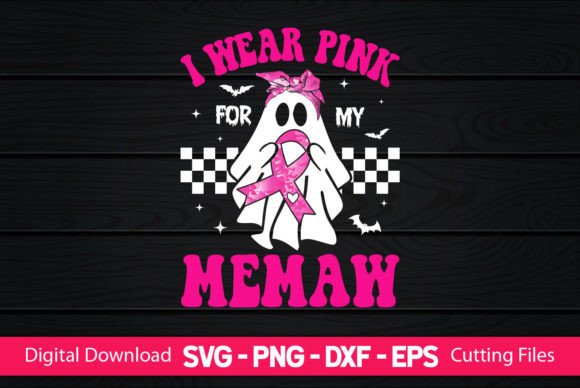
I Wear Pink for My Memaw: A Tender Embroidery Design Review
Every now and then, an embroidery design file lands in my library that feels less like a graphic and more like a story waiting to be stitched. I Wear Pink for My Memaw is exactly that. As a designer who regularly evaluates files for real client work and product development, my first question is always: does this design have a clear, emotive purpose that will translate beautifully into thread? In this case, the answer is a resounding yes.
The Immediate Mood and Crafting Personality
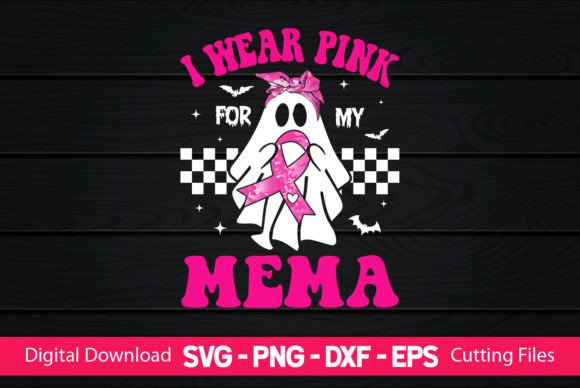
The title itself—I Wear Pink for My Memaw—sets a wonderfully specific tone. It's personal, nostalgic, and deeply affectionate. This isn't a generic "Grandma" design; it's for Memaw, a term brimming with regional warmth and family intimacy. The visual personality, inferred from the title and typical styling of such files, suggests a design that is likely sweet, perhaps with a classic script or a gentle, illustrative element. It creates a mood of cherished memory and loving tribute, which is a powerful starting point for any embroidery project aimed at gifts or personalized apparel.
For embroidery, this emotional clarity is gold. It tells me this design belongs on items meant to be keepsakes. Imagine a client requesting a custom gift for their mother or grandmother—this file provides the perfect thematic anchor. The layout and detail level, common in this product category, should be balanced for clarity, avoiding overly tiny details that might get lost in satin stitches, making it a practical choice for makers.
Where This Design Finds Its Perfect Stitching Home
Let's walk through a real scenario. A client orders a custom embroidered linen apron as a Mother's Day gift. They want something heartfelt, not kitschy. I Wear Pink for My Memaw comes to mind instantly. Stitched in a soft rose or burgundy thread on the breast pocket, it transforms a simple apron into a tangible story. The design's theme elevates the entire product.
This is where the practical value for crafters and small businesses shines. The design naturally fits a range of embroidery projects:
- Personalized gifts: Baby onesies or nursery decor towels for a new grandchild, implying a beautiful family connection.
- Boutique merchandise: Embroidered tote bags or sweatshirt embroidery for a small shop focusing on family-themed apparel.
- Keepsake items: Pillow covers, tea towels, or blankets meant as holiday or wedding gifts from a granddaughter.
- Custom apparel: Simple and effective on t-shirts or caps for family reunions or memory walks.
- Embroidered patches: Could be stunning as a standalone patch on a jacket, telling a personal story.
The key is that the design adds emotional value, which increases the perceived worth of the handmade product. For an Etsy seller, this translates directly into buyer engagement and customer trust—you're offering more than decoration; you're offering a sentiment.
Navigating the Technical Stitching Landscape
While the theme is strong, a designer's job is to think about the thread. How will I Wear Pink for My Memaw perform on actual fabric? Based on experience with similar digital embroidery files, there are considerations.
Its appeal relies on stitching clarity, especially if the file includes text. For successful embroidery:
- Stitch density must be appropriate. Too dense on a thin t-shirt could cause puckering; too light might not pop on a textured tote bag.
- Small details and any tiny lettering need careful inspection. Always test the design on scrap fabric first, using the same fabric texture and weight as your final project.
- Thread color contrast is paramount. On light fabrics, a darker pink or even a burgundy might read better than a pastel. On dark fabric backgrounds, you'll need a bright, opaque thread and possibly a slightly larger hoop size for clarity.
Projects on curved surfaces like caps require extra attention to hoop size and stabilizer choice to prevent distortion. Similarly, items needing frequent washing, like baby clothes or kitchen towels, benefit from a robust fill stitch or satin stitch construction to ensure longevity.
Spaces for Careful Application
This design, while emotionally versatile, has natural boundaries. It might not be the best fit for:
- Highly textured fabrics like deep-weave blankets where fine details could vanish.
- Very small hoop sizes if the design has intricate elements—always confirm the minimum workable size.
- Layered garments with stretchy fabric where dense embroidery could restrict movement.
- Products where the theme is overly specific—it's perfect for Memaw, but may not suit a generic "For Grandma" product line unless adapted.
For commercial embroidery or a craft business selling finished items, it's crucial to confirm licensing before selling finished items. The provided description mentions it's a digital file for cutting machines, so understanding its permitted use for physical product sales is a necessary first step.
The Designer's Final Notes for Real-World Use
Before committing this design to a client's project or your shop inventory, run through this practical checklist:
- Test stitch it on your intended fabric scrap. Observe the running stitch or fill stitch behavior.
- Check it in both black and white printable mockups for digital listings, and stitch it on light and dark fabric samples to judge contrast.
- Assess its scale for your project. Does "I Wear Pink for My Memaw" feel balanced on a baby bib? Is it commanding enough on an adult sweatshirt?
- Consider thread choices. Pink is suggested, but a metallic thread for holiday gifts or a muted cotton thread for a vintage-style pillow could alter the mood.
- Remember, the design's power is in its story. When selling the finished product, highlight that narrative in your listings. It enhances brand consistency for shops focused on family, heritage, or personalized crafts.
In essence, I Wear Pink for My Memaw is a machine embroidery design with a strong, heartfelt core. It’s not just a graphic; it's a prompt for a meaningful embroidery project. For the designer, crafter, or small shop owner, it offers a direct path to creating products that resonate on an emotional level, which is, after all, the highest goal of any handmade craft. Just ensure the technical stitching foundation supports that beautiful sentiment, and you'll have a product that feels as good to make as it will to receive.