A Designer's Real-World Take on Spooky Gammy
Let’s talk about Spooky Gammy. As someone who stitches designs for clients and my own small shop, my first question about any new embroidery file is simple: Will this design translate into a finished product that feels good in the hands and looks great on the project? I'm not just looking at a screen; I'm imagining it on fabric.
The Immediate Mood and Application
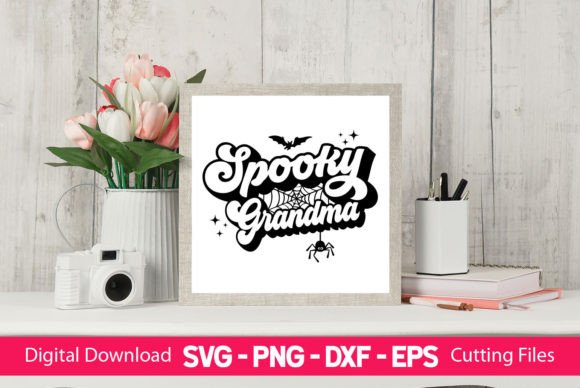
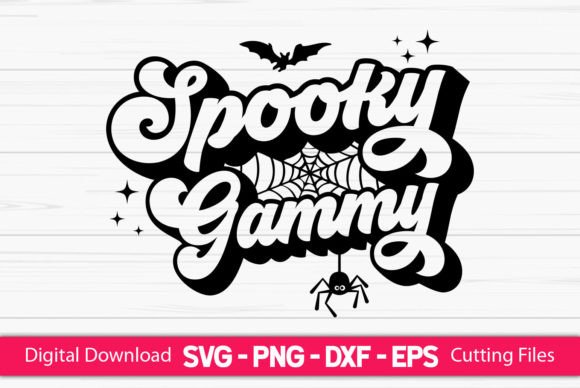
Opening this file, the personality is clear. It has that playful, slightly eerie charm perfect for a specific niche. This isn't a generic ghost; it’s a character. That means it naturally belongs to projects with a personal touch—a gift for a grandparent who loves Halloween, a quirky item for a boutique, or a fun accent for seasonal home decor. The layout feels balanced, and the detail level suggests it would work well as a focal point, not just a tiny badge.
My mind goes straight to a practical scenario: a custom embroidered tote bag for a Halloween market. You’re not just selling a bag; you’re selling the mood. A design like Spooky Gammy on a sturdy canvas tote creates a story. It’s a conversation starter. For a baby item, like a lightweight sweatshirt, it becomes a cute, memorable keepsake rather than a mass-produced graphic. The key is its inherent character, which adds value to handmade products.
Where This Design Shines in Embroidery
For real embroidery projects, this design has strong potential in several areas. On custom apparel like sweatshirts or t-shirts, especially in a mid-sized hoop, the details should come through with clarity, giving that professional, clean look customers trust. As an embroidered patch, it could be fantastic—the distinct shape would allow for clean satin stitch borders or fill stitch interiors. For home goods, think pillow covers or aprons; it’s a decorative accent that turns a practical item into a themed product.
For craft businesses and Etsy sellers, this fits right into seasonal listings. It offers a ready-made design asset for creating holiday embroidery without needing to illustrate from scratch. Its usability in digital formats like SVG also means you can create printable mockups for your shop quickly, which is crucial for buyer engagement. For a personalized gift, like a kitchen towel or cap, it’s that specific touch that says you chose something unique.
Points for Practical Consideration
Any experienced embroidery designer knows that a good digital file still requires real-world testing. With a character-based design like this, pay close attention to the smaller elements and corners. On stretchy fabric or dark fabric, you'll need to plan your thread colors and stabilizer carefully to maintain stitching clarity. If the design has very fine lines or tiny details, they might get lost on textured fabrics or in very small hoop sizes.
I would strongly advise against using it on a thin fabric without a solid stabilizer plan, as the stitch density could cause puckering. For curved surfaces like caps, the layout needs to be assessed for fit—some designs warp awkwardly. And for products destined for frequent washing, like baby clothes, ensuring the stitch structure is robust is key to longevity.
Embroidery Designer Notes for a Smooth Project
- Always test on scrap fabric first. Use the same material and stabilizer you intend for the final product.
- Check thread color contrast. Run a test in both light and dark fabric backgrounds. A black and white mockup can help preview value contrast.
- Review the design's density in your software. High-density areas on large designs can be time-consuming and heavy on some fabrics.
- Confirm your hoop size can accommodate the design comfortably without forcing compression of delicate elements.
- Inspect the smallest details. Will they read clearly as stitches, or could they blur into a fill?
- Most importantly, check the licensing terms provided with the file. Before selling any finished items or using it in commercial embroidery, confirm it's cleared for commercial use. This protects your craft business and maintains professionalism.
The Impact on Your Finished Product
Ultimately, using Spooky Gammy isn't just about adding an image; it's about enhancing the product's story. On a well-executed embroidery project, it boosts visual appeal through its unique character. That directly influences perceived product value—a handmade tote with a thoughtful, well-stitched design feels more valuable than a blank one. It builds customer trust because the quality of the embroidery reflects your care.
For brand consistency, if your shop specializes in quirky, seasonal, or family-oriented items, this design aligns perfectly, strengthening your niche. Its giftability is high—it’s clearly a themed, personal choice. For small shop merchandise or craft fair products, it has immediate recognition and a friendly, spooky mood that draws attention.
Remember, the file formats mentioned—SVG, PNG, DXF, EPS—are versatile for cutting machines and digital use, but for machine embroidery, you’ll need to ensure you have or can create a suitable embroidery file format from this asset. Treat this as a foundational digital embroidery file that you adapt to your specific embroidery process.
In the end, Spooky Gammy is a design with personality. Its success in your embroidery project hinges on that practical translation from screen to stitches. With careful planning and testing, it can become a standout element on your next custom apparel, home decor item, or boutique product, making that Halloween gift or seasonal listing truly special.