A Designer's Review of the Houseplant Collections Embroidery Design
The Immediate Charm of a Houseplant Wreath
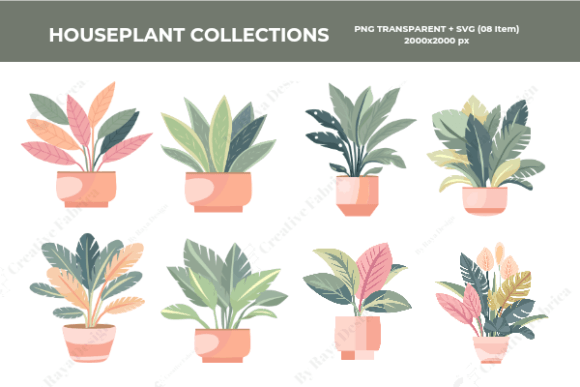
Opening the Houseplant Collections embroidery file, my first impression was one of controlled, leafy abundance. The wreath layout is inviting, not chaotic. It doesn’t scream "jungle"; it whispers "serene greenery." This is a design with a distinct visual personality: modern, botanical, and quietly decorative. The mood it creates is fresh and calm, making it feel less like a seasonal motif and more like a timeless piece of nature you'd want to keep close. For an embroidery designer, that’s a promising start. It’s a theme that transcends specific trends, belonging naturally to projects meant for everyday enjoyment or thoughtful gift-giving.
Where This Design Thrives in Real Projects
I immediately pictured this wreath stitched onto a linen tote bag for a plant-loving friend. The circular form sits perfectly on a flat bag panel, and the level of detail suggests it would translate into a beautifully textured, handmade-looking piece. But its applications run much deeper. This isn’t just a one-off gift idea.
For small business owners and Etsy sellers, the Houseplant Collections design is a versatile asset. It would elevate a simple cotton apron for a boutique kitchen shop, add a bespoke touch to a pillow cover in a nursery decor line, or become the signature emblem on a series of tea towels. I considered it for a custom sweatshirt for a local gardening club—the design’s illustrative quality would stitch out with clarity on a fleece background, fostering a sense of community and brand consistency for their merchandise.
As a digital product seller, you could use the stitched result—or even the clean graphic itself—in printable mockups for book covers or activity journals, as mentioned in its description. This crossover potential between physical embroidery and digital design assets is a significant plus for creative entrepreneurs.
Navigating the Stitching Practicalities
Any experienced embroiderer knows a lovely graphic must also be a practical embroidery file. Here’s where a realistic assessment is crucial.
The wreath format and likely stitch density in the leafy areas mean it will need proper stabilizer, especially on stretchy fabrics like t-shirts or on textured fabrics like sweaters. I would always test on scrap fabric first, particularly if I plan to use it on a cherished garment or a product for sale. Checking thread color contrast against your background fabric is key; this design, with its organic shapes, might lose definition on very dark fabrics if the color palette isn’t adjusted for contrast.
Points of Careful Consideration
While the design feels balanced, its success depends on application. On a curved surface like a cap, the outer circle of the wreath might require careful hooping and stabilization to avoid distortion. If there are very small details or tiny interior lines, they might need simplification on smaller hoop sizes or on items that undergo frequent washing, like baby clothes or kitchen towels, where fine stitches can be vulnerable.
For projects like an embroidered patch, the density and solid areas would work well, but I’d inspect any intricate corners to ensure they’re stitch-friendly. The description suggests uses like invitations and stickers, hinting at a clean, graphic quality that should translate well to satin stitch borders and fill stitch areas, but confirming the actual stitch types in the file is a necessary step before committing to a client project.
How It Lifts Your Finished Product
From a commercial and aesthetic perspective, using a design like Houseplant Collections correctly adds tangible value. On custom apparel, it moves a garment from generic to curated. On a personalized gift, like a monogrammed baby blanket with a small plant wreath accent, it creates a layered, heartfelt narrative. For your craft business, it enhances the perceived professionalism and thoughtfulness of your merchandise.
Customers recognize a coherent, well-executed theme. A houseplant wreath on a series of products—totes, aprons, pillow covers—builds a recognizable collection for your small shop. This consistency boosts buyer engagement and trust; they see you as a source for a specific, desirable aesthetic. The giftability is high because the theme is personal and neutral, not tied to a single occasion.
Essential Designer Notes Before You Hoop
- Test, test, test. Run the design on your intended fabric type with your chosen stabilizer combination.
- Evaluate color. Look at the design in black-and-white mockups to check value contrast, and compare how your thread choices look on both light and dark background mockups.
- Consider scale. How does it look at the size you intend? Does detail become lost or overly dense?
- Confirm licensing. Before selling any finished items or using the graphic for commercial digital products, verify the license terms for this specific embroidery file.
- Plan your project. Is it for a single holiday embroidery gift, or for a line of boutique branding items? Your approach to stabilization and thread quality should match the product's purpose and lifespan.
Final Thoughts from the Hoop
The Houseplant Collections design strikes me as a versatile, mood-enhancing graphic. Its strength lies in its thematic appeal and illustrative layout, which opens doors to a wide range of embroidery projects—from heartfelt personalized gifts to scalable small shop products. Its success, however, is firmly in the hands of the embroiderer. Practical steps like testing stitch density on textured fabrics, ensuring clarity on curved caps, and confirming commercial use rights are what transform a promising digital file into a stunning, trustworthy finished product. Approach it with that designer’s mindset: admire its beauty, but plan for its reality on fabric. When done right, this houseplant wreath will truly add to the beauty—and the value—of the design you make.