Moon Girl Fairy: A Designer's Hands-On Review
When a new design file lands on my desktop, my first thought isn’t about the download size or the formats. It’s about the stitch. How will this look when it’s rendered in thread? The Moon Girl Fairy Sublimation Png and Svg arrived as part of a search for whimsical motifs for a client’s boutique line of nursery decor, and immediately, it presented a distinct personality. This isn’t just a graphic; it’s a mood.
The First Impression: Whimsy with a Touch of Mystery
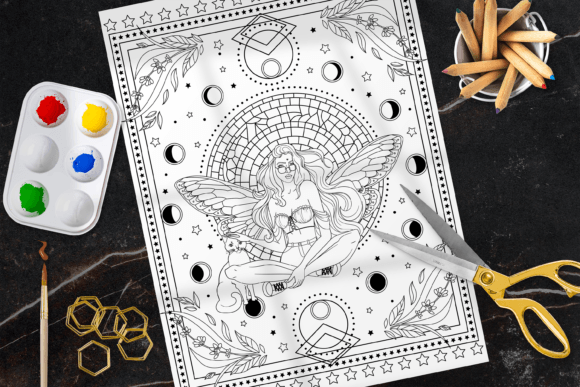
The design carries a gentle, mystical charm. The fairy’s posture and the lunar theme evoke a sense of quiet wonder, perfect for projects that need to feel special but not overly ornate. From an embroidery perspective, the layout is balanced. The shapes are clear, with defined areas that would translate well into satin stitches for outlines and fill stitches for the larger spaces, like the fairy’s dress and the moon itself. There’s a level of detail here that suggests it’s suited for a medium-sized hoop—details like the hair and the small stars are present but aren’t so tiny that they’d become a muddled mess of thread on most fabrics.
I imagined it on a cozy baby blanket corner or as a central motif on a linen pillow cover. It feels like it belongs to products meant for personalization, for gifts that tell a little story. For a crafter or an Etsy seller, this visual personality is a ready-made narrative: it’s a “moon girl,” a dreamy character that resonates without needing explanation.
Real-Life Embroidery Scenario: A Boutique Tote Bag
Let’s walk through a real case. A client requested a custom embroidered tote bag for a wedding gift, something unique and feminine. The Moon Girl Fairy design came up as a candidate. My practical judgment started here. The design’s open, flowing lines are excellent for bag embroidery—they won’t create an overly dense stitch area that might stiffen the fabric. On a natural canvas tote, with proper stabilizer, I anticipated the fairy would sit beautifully, her whimsical shape adding value and a handmade touch that mass-produced bags lack.
However, I’d be cautious about shrinking it down too much for a small cap or a detailed patch. Some of the finer elements, like the delicate facial features or the small star accents, might lose clarity on a very small scale or on textured fabrics like a coarse knit sweater. This is a design that asks for a bit of space to breathe. On a sweatshirt or a tea towel, it would shine. On a dark fabric, careful thread color selection would be crucial to maintain that mystical, light feel—contrast is everything.
Where This Design Elevates Your Project
Using a design like this isn’t just about the technical stitch. It’s about the final product’s appeal. When you embroider the Moon Girl Fairy onto a product, you’re injecting a specific charm. For a small business owner, that means your handmade presentation gains consistency. A series of products featuring this style—aprons, pillow covers, kitchen towels—begins to tell a cohesive brand story. For a hobbyist making a holiday gift, it instantly boosts the giftability; it looks considered and artistic, not generic.
From a commercial embroidery standpoint, the clean SVG format (assuming it’s provided as a true vector path) is ideal for scaling to different product sizes without quality loss, which is vital for creating digital mockups or adapting the design for a range of items from baby clothes to adult apparel. It helps build customer trust because the finished embroidered product looks professional and intentional.
The Careful Considerations: Where to Use and Where to Pause
Every embroidery file has its ideal home and its less-perfect matches. For the Moon Girl Fairy, I would strongly advise a test run on scrap fabric first. This is especially important to check the stitch density in the fill areas. A very dense fill on a thin t-shirt fabric could lead to puckering or be uncomfortably stiff. On stretchy fabrics, you’d need the right stabilizer strategy to keep those smooth lines intact.
Layered garments like caps with curved surfaces present a challenge for any design with wider elements; the fairy’s outstretched wings might need careful hooping and placement. And for products destined for frequent washing, like kids’ apparel, you’d want to ensure the stitch coverage is solid enough to endure wear without the design fraying at the finer points. This isn’t a criticism of the design; it’s simply practical embroidery wisdom. Knowing a design’s limits is what separates a frustrating project from a successful one.
Practical Notes for the Embroidery Designer
Before loading this into your machine, do your homework. Check the actual file you received. Confirm the licensing terms—can you use it for commercial projects, selling the finished embroidered items? That’s a must for any small shop product or craft business asset.
- Test on both light and dark background scraps to plan your thread palette.
- Experiment with hoop sizes. Find the scale where the small details remain crisp.
- Consider creating a simple applique version using the design’s outlines for a different texture on items like blankets or aprons.
- If using for digital product previews or printable mockups, the PNG format is your friend for quick, clean visuals.
The design’s strength is its mood and clarity. It doesn’t feel crowded or overly complex, which makes it a reliable choice for a wide range of embroidery projects. But its success hinges on your preparation. A beautiful embroidery file is a tool; the gorgeous finished product is the result of how you apply it.
Final Stitch: A Reliable Asset for Creative Hands
In my view, as someone who turns graphics into thread daily, the Moon Girl Fairy Sublimation Png and Svg is a solid, versatile asset. It falls into the category of illustrations that are easy to love and practical to use. It won’t suit every single project under the sun, but for the ones it does suit—personalized gifts, boutique merchandise, whimsical decor, custom apparel—it performs with a quiet confidence.
It helps you create products that feel thoughtful and engaged, which is ultimately what buyers and gift recipients respond to. Whether you’re an apparel decorator running a multi-head machine or a hobbyist embroidering a single special pillow, this design offers a clear path from digital file to a stitched piece with real character. Just remember the golden rule: test first, stitch second, and let that moon girl fairy work her magic on your next project.