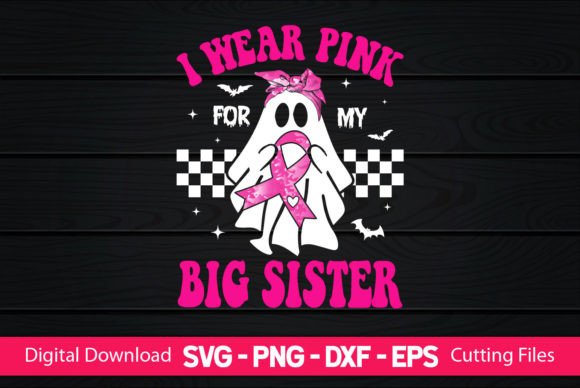
I Wear Pink for My Lil Sister: A Designer's Take
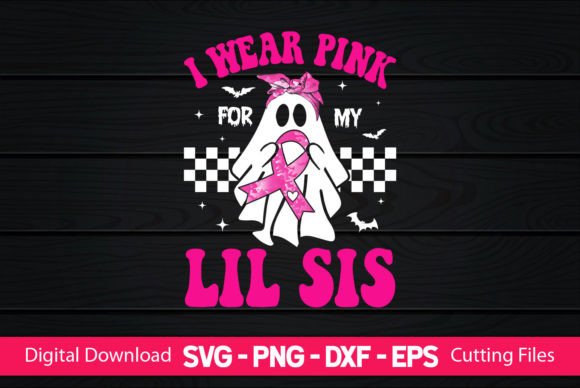
When I first opened the I Wear Pink for My Lil Sister design, it wasn't just another file in my graphics library. It felt like a story waiting to be told with thread. This isn't a loud, flashy statement; it's a gentle, personal one. The typography and layout have a sweet, almost nostalgic vibe, perfect for creating something heartfelt. As an embroidery designer, my mind immediately starts picturing where this sentiment would shine and how it would translate from a digital preview into a real, stitched product.
The Mood It Creates on Fabric
The phrase "I Wear Pink for My Lil Sister" carries a specific emotional weight. It speaks to love, support, sisterhood, and a quiet, proud connection. In embroidery, this translates into a project that feels personal and giftable. The design's visual personality isn't overly ornate or cartoonish; it leans towards a clean, modern cursive feel that would adapt well to various stitch types. I imagine it working beautifully as a simple satin stitch lettering design or even as a combination of fill stitches for the larger areas and running stitches for finer details, depending on the exact file elements. The mood is unambiguously warm and affectionate, making it a natural fit for projects meant as keepsakes.
Where This Design Finds Its Perfect Home
I'm picturing a custom embroidered tote bag for a big sister, or a soft, baby pink sweatshirt. It would be darling on a child's apron or a set of nursery pillow covers. For my own craft business, this feels like a strong candidate for holiday gifts—think Christmas or Mother's Day—or personalized products for boutique branding. The theme is versatile enough for wedding gifts for sisters or everyday merchandise in a small shop focusing on family and connection. As an Etsy seller, I'd consider pairing an embroidered tea towel or blanket with this design in a printable mockup to show its cozy application. The key is pairing it with products that carry a personal or familial utility.
Real-Life Embroidery Performance Considerations
In practical embroidery situations, the success of a design like I Wear Pink for My Lil Sister hinges on clarity. On apparel like t-shirts or caps, the lettering needs to remain legible after stitching, especially on curved surfaces like caps where distortion can occur. For a dense design on dark fabric, thread color contrast is paramount—a bright pink or white would be essential. On thinner or stretchy fabrics, like some baby clothes, stabilizer choice becomes critical to prevent puckering and maintain the design's clean shape.
My professional instinct is that this design would likely excel on medium to larger hoop sizes. If the design contains very small lettering or intricate decorative accents, attempting it on a very small hoop could compromise stitch clarity. Testing it on scrap fabric first is non-negotiable. I'd run a test on both a light and dark background scrap to review stitch density and see how the details hold up. This step informs not only the technical execution but also the final product's visual appeal and perceived value.
Caution Areas for a Smooth Stitchout
There are a few scenarios where I'd proceed with extra care. Textured fabrics, like some blanket materials, might obscure cleaner letterforms. Layered garments with pockets or seams could complicate hooping. For products destined for frequent washing, like kitchen towels, ensuring the stitch structure is secure and the thread colors are durable is key to longevity and customer trust. The phrase's emotional resonance means the finished product's handmade presentation needs to be neat and professional—any sloppy stitching or unclear letters would detract from the heartfelt message.
Turning a Digital File into a Trusted Product
For embroidery designers and creative entrepreneurs, the journey from a digital embroidery file to a sellable finished product involves several checkpoints. With I Wear Pink for My Lil Sister, its giftability and recognition factor are high, which boosts buyer engagement. To capitalize on that, the stitched result must reflect that quality. This means inspecting the small details in your test stitchout, confirming the design works well for your intended commercial embroidery projects, and most importantly, checking the provided licensing terms before selling any finished items. The product description mentions it's a digital file for cutting machines, but for embroidery use, you must ensure your intended use—personal or commercial—is covered.
Brand consistency matters too. If this design becomes part of your small shop product line, it should stitch out reliably every time, maintaining the same look across different items like patches, aprons, or pillow covers. This reliability builds customer trust and turns a single craft project into a viable craft business asset.
Practical Designer Notes Before You Hoop
- Always test the embroidery file on your intended fabric type first.
- Review the design in black and white mockups to judge contrast and form separate from color.
- Plan your thread colors carefully, considering both the "pink" theme and the background fabric color.
- Confirm the hoop size needed for a clean stitchout; don't force a large design into a tiny hoop.
- Use proper stabilizer for the fabric—this is often the difference between a pro and amateur look.
- If creating patches or items for heavy use, consider stitch density and reinforcement.
- Clarify the licensing. Can you use this for commercial embroidery projects selling handmade products? Verify this before listing anything on Etsy or at a craft fair.
Ultimately, I Wear Pink for My Lil Sister feels like a design with a clear purpose. It's not a generic graphic; it's a sentiment. In the hands of a thoughtful embroidery designer, it can become a beautiful, custom apparel piece, a cherished personalized gift, or a cohesive part of a boutique's merchandise line. Its value comes from pairing that heartfelt message with a technically sound, visually clean embroidery execution. That combination is what turns a digital asset into a real-world product people connect with.